
Working in the field of international development aid over the last 40 years, I have incessantly been told that policies should always be “evidence-based”. This means we should examine and analyze the data to determine whether an intervention, an idea, or a decision is likely to have the intended outcome. Sometimes I bucked at this mantra when I observed how hard and costly it was to get the necessary data to make fully informed decisions (see my blog from 2011, which injects a bit a humor into the notion of data collection). Sometimes the perfect works against the good. But generally, the notion that the collection of data and a thorough analysis of that data should be at the heart of decision making and opinion formation seemed to me to be a good thing.
According to the current administration, decisions should no longer be “evidence-based” but ideologically based – often falsely sold as “common sense”. When data and research contradict the firmly held belief of the administration, the instinct is to hide it. This is a traditional fascist strategy: When the truth is inconvenient, the best thing to do is to destroy it.
This administration has been engaged in a systematic onslaught on knowledge production and the availability of data and information produced by government (or financed by government) that is “inconvenient”. This will lead to extremely damaging consequences in terms of accountability, protecting the public, economic development, scientific progress, freedom of speech, and technological innovation. Any research initiative or data collection initiative that is counter to the firmly held beliefs of the administration is to be dismantled.
Federal agencies, including the Centers for Disease Control and Prevention (CDC), have been forced to remove public health data from their websites. Over 3,000 pages were altered or removed from the CDC’s website, affecting information on chronic diseases, sexually transmitted infections, and reproductive health. The CDC’s data portal was also taken offline, hindering access to vital health statistics. Approximately 8,000 webpages containing LGBTQ+ content were removed across various federal agencies, including the Department of Education and the Department of Health and Human Services.
The administration has frozen billions of dollars in research funding, particularly affecting the National Institutes of Health (NIH). An order suspended NIH grant funding, effectively halting much of its $47 billion budget. Additionally, on February 7, 2025, the NIH announced a cap on indirect cost reimbursements at 15%, a drastic reduction from previous rates that averaged between 30% and 70%. This policy shift threatens the financial stability of research institutions, potentially leading to layoffs, hiring freezes, and the termination of ongoing projects.
The reclassification of federal employees under “Schedule F,” have raised alarms about the potential politicization of economic data. Experts warn that allowing political appointees to replace career civil servants could undermine the objectivity of critical economic statistics, such as unemployment rates and inflation figures, which are essential for informed decision-making by businesses and policymakers.
The administration’s actions have also affected scientific pursuits in ways that go beyond those orders. The dismantling of USAID has halted clinical trials abroad, leaving participants with experimental drugs and devices still in their bodies.
A recent executive order closed the database tracking misconduct by US police.
In response to these deletions, academic institutions, archivists, and advocacy groups have initiated efforts to preserve endangered data. The End of Term Web Archive and the Internet Archive’s Wayback Machine have been instrumental in capturing and maintaining copies of removed content. Legal actions have also been taken; for instance, a federal judge issued a restraining order requiring the restoration of certain health-related websites, acknowledging the critical need for public access to this information.
What can we do about this? First and foremost, we need to provide support and kindness to our friends working for the federal government and for organizations and institutions that are directly and indirectly affected by this assault on science. Second, we need to support efforts by organizations such as the Internet Archive to protect databases and research.
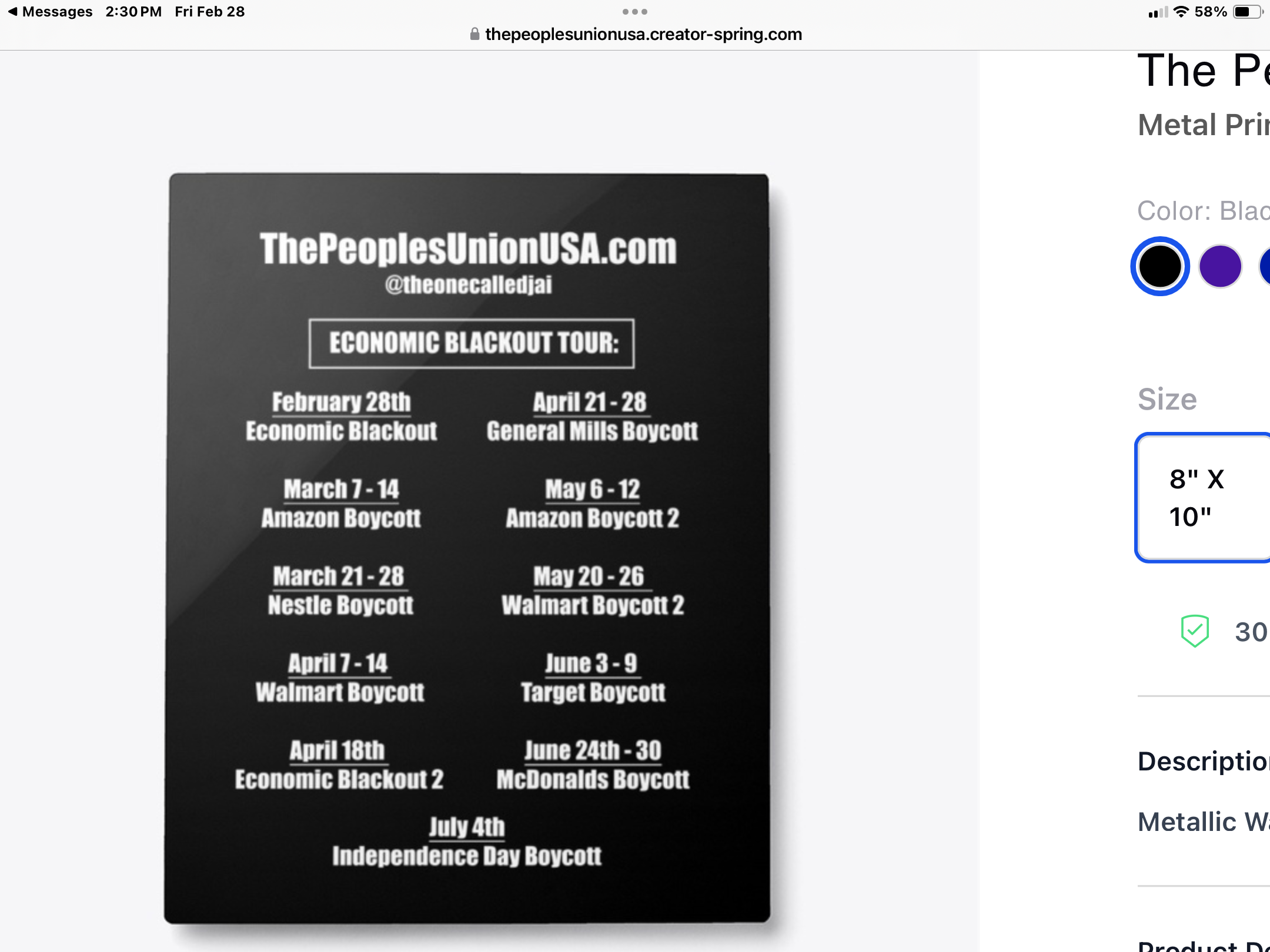
There are events happening that people should know about. Last Friday was the first economic boycott. I don’t know what the outcome of that was. Here is a list of upcoming actions we should know about.
 True-ish Stories
Trump actions comes from far. They are “founded” in the “Unitary executive theory” promoted by far right since Reagan, and applied in Project2025. See The One Idea That Connects Trump’s Recent Actions